Birds of Prey Thriving at Winterbourne Fields
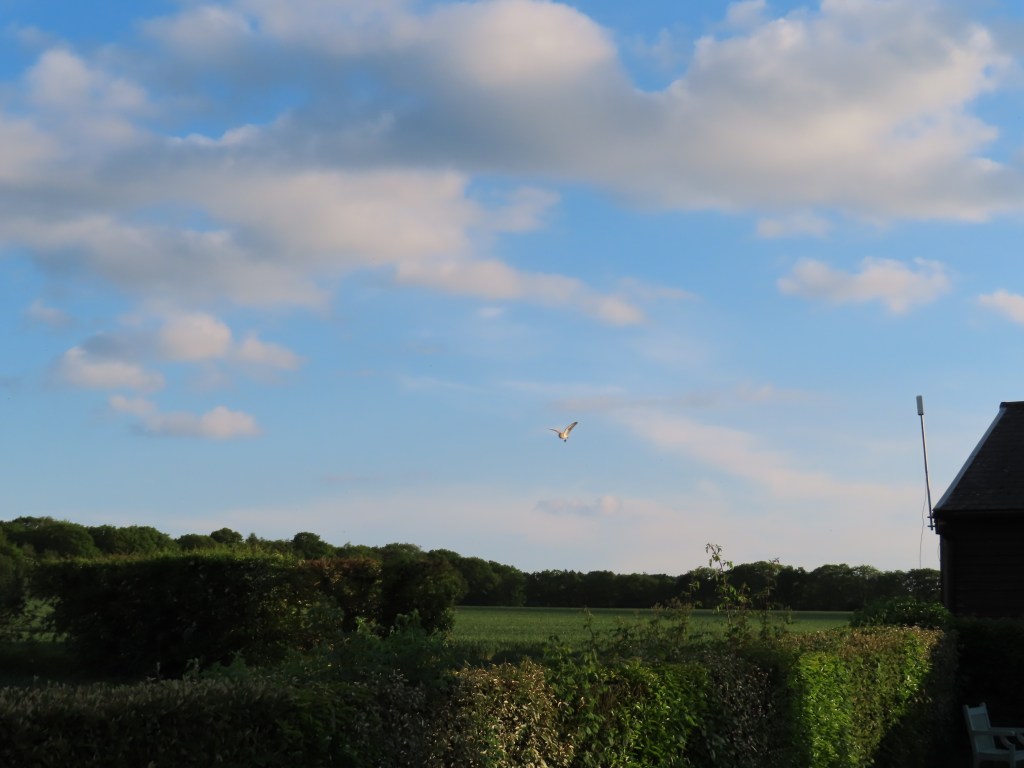
The recent appearance of a barn owl in the Winterbourne Fields area has provided a wonderful reminder of the rich and diverse wildlife that calls this landscape home. Barn owls are one of Britain’s most iconic birds of prey and depend on rough grassland and open countryside where they can hunt for small mammals. Their presence is often seen as an indicator of a healthy environment with suitable habitat and abundant wildlife.
The barn owl joins a number of other impressive birds of prey regularly recorded in and around the fields. Hobbies can often be seen during the summer months, displaying their remarkable speed and agility as they hunt insects and small birds in flight. Buzzards are a familiar sight soaring overhead on rising thermals, while kestrels can frequently be observed hovering above grassland as they search for prey below.
Together, these species highlight the ecological importance of Winterbourne Fields and the surrounding countryside. The network of open fields, grassland, hedgerows and natural habitats provides essential feeding and breeding opportunities for a wide variety of wildlife. Protecting and preserving these spaces will help ensure that barn owls, hobbies, buzzards, kestrels and many other species continue to thrive for generations to come. This is one of many reasons why it is vital that we stop this development being approved to be built on local countryside.
 Stop Winterbourne Fields